

Childhood Obesity
Childhood Obesity
These days, childhood obesity has become the most serious health concern in the world. The numbers have gone up three times since the 1960s.
This happens because of family genes, eating too much unhealthy food, limited or no physical activity, and other reasons. Families with infantile obesity in Boca Raton need trusted doctors who help children get rid of obesity and help them towards a healthy life.
Starting treatment early for pediatric obesity helps prevent long-term health complications in kids. Pediatricians are the best helpers for early detection and for creating customized treatment plans for fighting childhood obesity. SuraMed helps families dealing with pediatric obesity in Boca Raton by teaching simple and healthy lifestyle habits that help children throughout their lives.
What is Childhood Obesity?
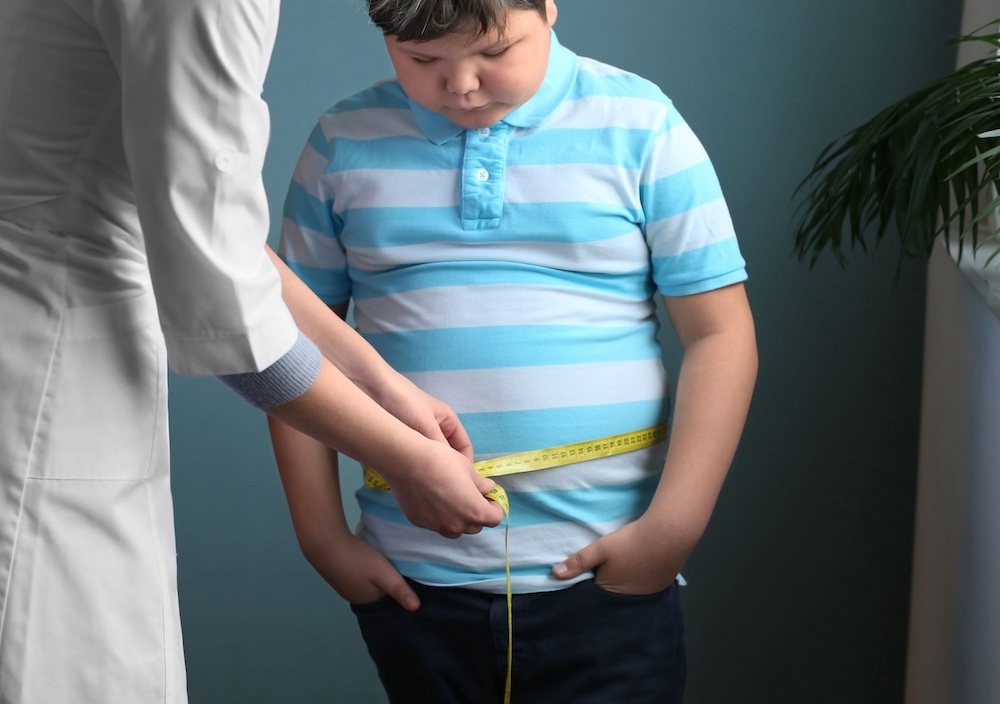
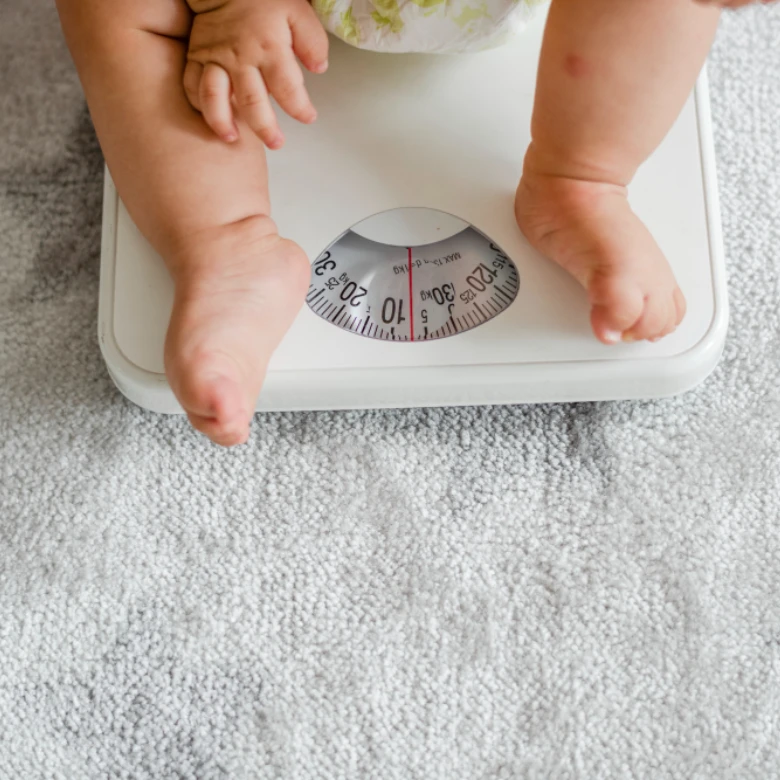
Childhood obesity is a serious issue when a child’s weight is abnormally high for their age and height. Doctors use BMI (Body Mass Index) charts made just for kids to check if they are at a healthy weight. Kids with BMI at the 95th percentile or higher are considered suffering from pediatric obesity, and those between 85th and 94th percentiles are overweight.
Why Choose Our Pediatric Care for Childhood Obesity?
Wondering what is considered overweight or childhood obesity? Count on SuraMed's modern approach to help manage childhood obesity in Boca Raton with expert, compassionate care. We stand out because:
- Experience: We have 15 years of experience in the Pediatric field and have helped obese and overweight children to lose weight with safe solutions and maintain a healthy eating routine.
- Advanced Pediatric Knowledge: Our pediatric specialists carefully assess toddler BMI levels and design personalized treatment plans tailored to each child’s unique needs.
- Known for the Best Care Standards: Our work is recognized by medical journals and leading pediatric obesity programs, reflecting the trust we’ve earned in this field.
- Guided by Standards: We follow trusted recommendations from the AAP, WHO, and CDC to provide your child the highest standard of care for pediatric obesity in Boca Raton.
- Local Recognition: News and media in Boca Raton trust us for helping kids struggling with weight problems.
How Our Pediatricians Help Kids with Childhood Obesity?
SuraMed offers the best pediatrics to address health issues linked with being overweight. We know these problems need special care, and our team helps parents follow a simple, effective plan to improve a child’s overall health, not just their weight.
- Customized Growth Assessment and Progress
We measure your child's BMI pediatric numbers using standard growth charts and regular monitoring. Our team tracks your child's growth and makes changes in the treatment plan if needed.
- Guidance on Food and Eating
Our doctors help parents to understand the causes of childhood obesity and provide easy-to-follow food tips that help with symptoms of childhood obesity in Boca Raton. We help families create healthy meals that taste good and are also simple to make.
- Encouraging Physical Activity
We suggest fun and age-appropriate activities that fit your child's age and toddler BMI level. Our goal is to make exercising and playing feel like fun, not work.
- Managing Obesity Related Health Problems
Our team checks for health issues like diabetes and high blood pressure. We monitor childhood obesity BMI changes, and other important health signs.
- Referrals and Coordinated Care
When needed, we find dietitians, counselors, and fitness experts who are experts in pediatric care. Our team makes sure everyone works together to achieve the best results for your child’s health.


Pediatric Obesity Health Problems We Treat
SuraMed doctors treat many health issues that come with being overweight. We know these problems need special care. For us child’s overall health is important, not only their weight. We treat:
- Blood sugar and diabetes problems
- Trouble sleeping and breathing at night
- High blood pressure and bad cholesterol
- Bone and joint pain that makes movement harder
- Emotional and behavior challenges linked to weight concerns
- Nutritional deficiencies despite excess caloric intake
- Growth and development delays associated with obesity
Benefits of Early Pediatric Intervention in Infantile Obesity?
- Stops Weight Problems Later - Treating infantile obesity early helps to reduce the chances of kids being overweight as adults.
- Teaches Healthy Lifestyle Habits- Starting pediatric obesity treatment early helps kids learn to form lasting habits for nutrition, exercise and self-care.
- Enhances Academic and Social Development - Fixing BMI pediatric problems early helps kids feel more confident, energetic and also improves peer relationships.
- Prevents Serious Health Complications - Stopping obesity early helps avoid diabetes, heart problems, and other causes of childhood obesity issues.
- Reduces Behavioural Issues - Early help finds what is considered overweight behaviors before they get too hard to change.
- Makes Whole Family Healthier - Treating symptoms of childhood obesity often helps the whole family eat better and stay healthy.
- Supports Kids’ Growth Journey: Taking care of toddler BMI and childhood obesity BMI in Boca Raton during the important growing years helps kids develop properly.
Frequently Asked Questions
1. What BMI is considered overweight?
For children, overweight is defined as BMI between 85th-94th percentile, while obesity is a BMI at or above 95th percentile for age and sex using pediatric growth charts.
2. What is considered pediatric age?
Pediatric age typically ranges from birth to 18 years, with infantile obesity affecting children from infancy through early childhood developmental stages.
3. What is the main cause of child obesity?
The main cause of childhood obesity involves multiple factors, including genetics, poor dietary habits, lack of physical activity, and environmental influences affecting energy balance.
4. What role do parents play in childhood obesity?
Parents significantly influence childhood obesity through food choices, activity modeling, mealtime structures, and creating supportive environments that promote healthy lifestyle habits.
5. Who is most at risk for childhood obesity?
Children with a family history of obesity, certain medical conditions, socioeconomic disadvantages, and limited access to healthy foods or safe physical activity spaces face increased risks.
6. How to avoid childhood obesity?
Prevention involves balanced nutrition, regular physical activity, limited screen time, adequate sleep, and regular pediatrician consultations for BMI pediatric monitoring and guidance.
Find a SuraMed Location Near You
Find contact information, hours, and directions for our pediatric clinics in Palm Springs, Greenacres, Wellington, Boca Raton, and Port St. Lucie.
 |
 |
 |
 |
 |
 |
| Locations |
Palm Springs |
Wellington |
Greenacres |
Port St Lucie |
Boca Raton |
|---|---|---|---|---|---|
| Addresses | 2640 Forest Hill Blvd, Palm Springs, FL 33406 | 3319 S. State Road 7, Suite 109, Wellington, FL 33449 | 6239 Lake Worth Rd, Greenacres, FL 33463 | 683 S.W. Port St. Lucie Blvd, Port St. Lucie, FL 34953 | 801 Meadows Rd. Suite 116-118, Boca Raton, FL 33486 |
| Phone Numbers | 561-275-7100 | 561-798-5437 | 561-812-1271 | 772-204-2909 | 561-338-9615 |
| Fax | 561-275-7199 | 561-798-7726 | 561-964-4050 | 772-785-8138 | 561-338-9616 |
| Opening Hours | *Monday to Friday: 8:30 am - 5:30 pm |
*Monday to Friday: 8:30 am - 5:30 pm |
*Monday to Friday: 8:30 am - 5:30 pm |
Monday to Friday: 8:30 am - 5:30 pm |
*Monday to Friday: 8:00 am - 5:00 pm |
| After Hours | Monday to Thursday: 5:30 pm - 7:30 pm Friday: 5:30 pm - 6:30 pm Saturday: 8:00 am - 1:00 pm |
Monday to Friday: 5:30 am - 6:00 pm Saturday: 8:00 am - 1:00 pm |
Monday to Friday: 5:30 pm - 6:30 pm Saturdays Hours vary based on availability. Call for availability. |
Monday to Thursday: 5:30 pm - 7:00 pm Friday: 5:30 pm - 6:00 pm Saturday: 8:00 am - 1:00 pm |
Monday to Friday: 5:00 pm - 6:00 pm Saturdays Hours vary based on availability. Call for availability. |
| Laboratory | Monday to Friday: 8:00 am - 12:00 pm |
Monday to Friday: 8:30 am - 12:00 pm |
Monday to Friday: 8:30 am - 12:00 pm |
Monday to Friday: 8:30 am - 12:00 pm |
Monday to Friday: 8:00 am - 12:00 pm |
*Closed for lunch from 1:00 pm - 1:45 pm only on Friday's.

At SuraMed Health Center, our experienced pediatricians and healthcare team provide comprehensive pediatric care for infants, children, and teenagers.