


Tips to Find Top-Rated Pediatric Care for Infants and Toddlers
November 28, 2025
Pink Eye (Conjunctivitis) in Children: Symptoms, Causes, and When to See a Pediatrician
January 6, 2026
Sudden medical emergencies in children are rare, but when they happen, early and correct action can save a life. In 2025, the American Heart Association (AHA) and the American Academy of Pediatrics (AAP) released updated Pediatric Basic Life Support (BLS) and Emergency Cardiovascular Care Guidelines, marking the first comprehensive update since 2020.
At SuraMed Health Center, we believe parents and caregivers should understand these updates—not to create fear, but to build confidence and preparedness. Below is a clear, parent-friendly breakdown of what has changed, why it matters, and how it helps protect infants and children.
Why Pediatric CPR Guidelines Matter
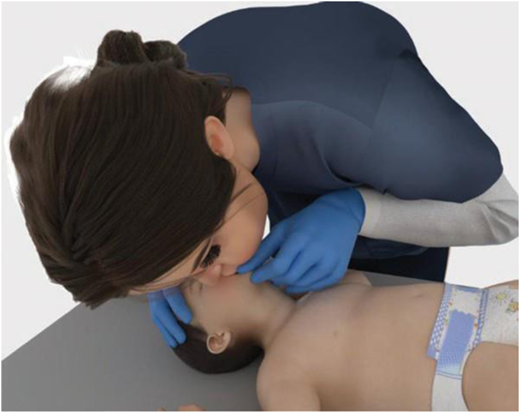
Respiratory problems remain the leading cause of cardiac arrest in infants and children. Conditions such as choking, severe asthma, infections, or breathing failure often precede cardiac arrest. Because of this, early recognition, ventilation, and high-quality CPR are critical for survival.
The 2025 guidelines are based on extensive international research reviewed by the International Liaison Committee on Resuscitation (ILCOR) and are designed for both lay rescuers (parents, teachers, caregivers) and healthcare professionals.
Major Takeaways From the 2025 Pediatric BLS Guidelines
1. Breathing Matters More Than Ever in Children
Unlike adults, children often suffer cardiac arrest due to breathing failure, not heart disease.
✔️ Providing breaths in addition to chest compressions improves survival
✔️ Lay rescuers are encouraged to give breaths if trained and willing
✔️ Recommended breathing rate: 20–30 breaths per minute for infants and children who have a pulse or an advanced airway during CPR
2. Early Recognition Saves Lives
If a child is unresponsive and breathing abnormally (including gasping):
-
Activate emergency medical services (call 911)
-
Start high-quality CPR immediately, beginning with chest compressions
Delays significantly reduce survival outcomes.
3. What Defines High-Quality CPR
High-quality CPR remains the foundation of resuscitation. The updated guidelines reinforce these critical elements:
-
Proper compression rate and depth
-
Minimal interruptions
-
Full chest recoil after each compression
-
Avoiding excessive ventilation
Even small improvements in CPR quality can dramatically improve outcomes.
Important Changes Parents Should Know
4. Infant Chest Compression Technique Has Changed
One of the most significant updates involves infant CPR technique:
🚫 Two-finger chest compressions are no longer recommended
✔️ Preferred techniques:
-
Two-thumb encircling hands technique (best option)
-
One-hand technique if encircling the chest is not possible
This change was made because two fingers often fail to achieve adequate compression depth.
5. AED Use Should Happen Immediately
For infants and children in cardiac arrest:
✔️ An Automated External Defibrillator (AED) should be applied as soon as possible
✔️ Use pediatric pads and a pediatric attenuator if available
✔️ If pediatric equipment is unavailable, adult AEDs should still be used
Prompt defibrillation for ventricular fibrillation (VF) and pulseless ventricular tachycardia (pVT) is lifesaving.
Updated Choking (Foreign-Body Airway Obstruction) Guidelines
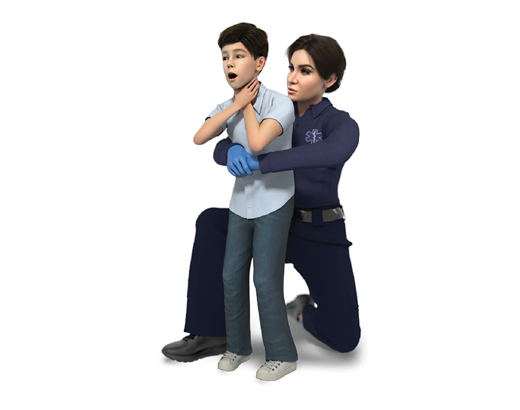
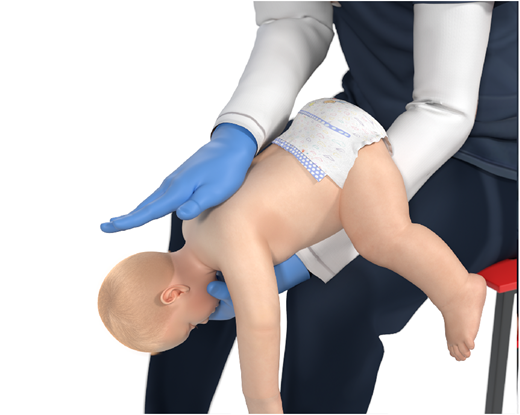
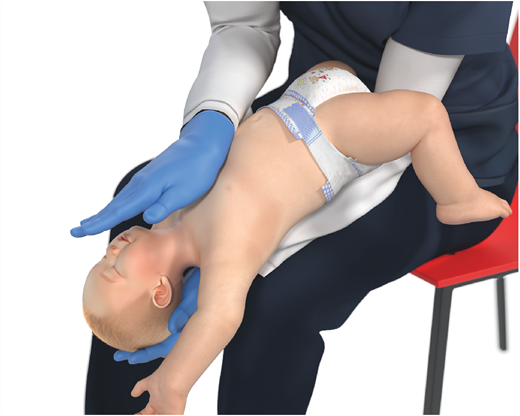
Choking is one of the most common emergencies in young children. The 2025 guidelines clarify age-specific responses:
👶 Infants (Under 1 Year)
✔️ 5 back blows + 5 chest thrusts, repeated
🚫 No abdominal thrusts
👧 Children (Over 1 Year)
✔️ 5 back blows + 5 abdominal thrusts, repeated
These distinctions are critical and help prevent injury while improving effectiveness.
What These Guidelines Mean for Families
You don’t need to be a medical professional to make a difference. These guidelines emphasize that trained parents, caregivers, teachers, and coaches can save lives.
At SuraMed Health Center, we encourage families to:
-
Learn basic pediatric CPR and choking response
-
Know where AEDs are located in schools, sports facilities, and public places
-
Act quickly in emergencies—confidence matters
How SuraMed Health Center Supports Child Safety
Our pediatric team stays current with the latest national guidelines to ensure:
-
Evidence-based emergency care
-
Education and guidance for parents
-
Preventive strategies to reduce emergency risks
From routine wellness visits to urgent care guidance, we partner with families to protect children’s health at every stage.
Final Thoughts
The 2025 Pediatric Basic Life Support Guidelines reinforce a powerful message:
Early action, proper breathing support, high-quality CPR, and timely AED use save children’s lives.
Understanding these updates helps parents and caregivers respond with confidence during critical moments—and that confidence can make all the difference.
📍 SuraMed Health Center proudly serves families in Palm Springs, Greenacres, Wellington, Boca Raton, and Port St. Lucie.
🌐 Learn more about pediatric care and safety at suramedhealthcenter.com