

The Importance of Annual School Physicals for Children
July 21, 2026
Why Does My Child Always Have a Runny Nose? Common Causes Parents Should Kno
September 30, 2026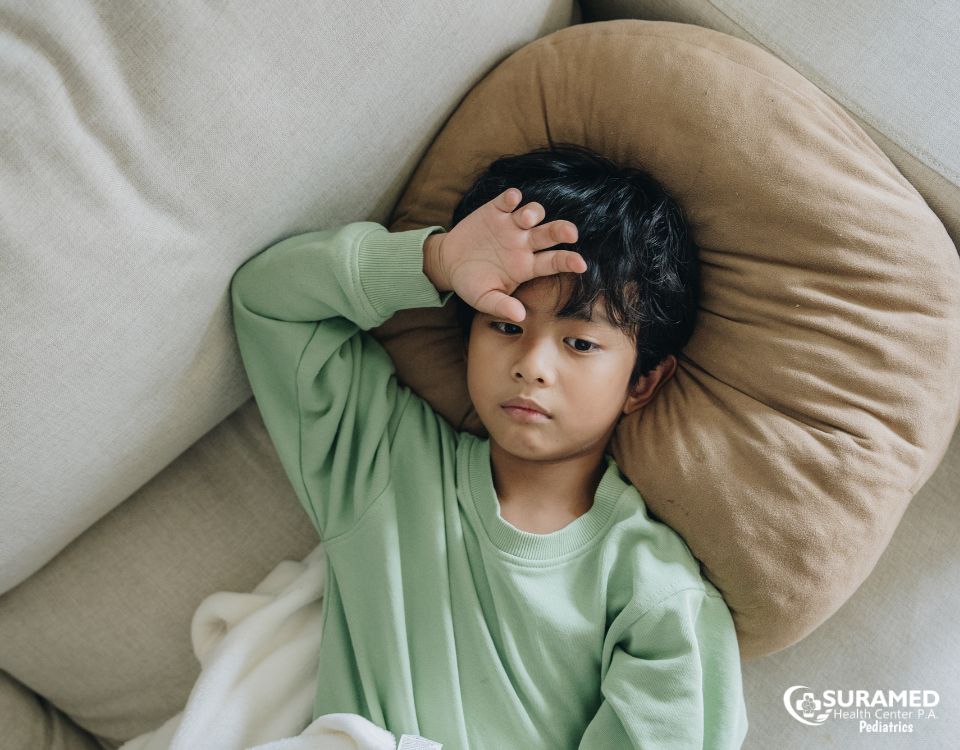
If it seems like your child is constantly catching a cold, developing a cough, or coming home from daycare or school with another illness, you are not alone. “Why does my child get sick so often?” is a common question parents ask pediatricians.
The short answer:
Young children often get sick more frequently because their immune systems are still developing and they are regularly exposed to viruses, especially in daycare, school, and other group settings. Frequent minor illnesses can be common during childhood, but certain patterns of illness should be discussed with your pediatrician.
At SuraMed Health Center, our pediatric team can help parents understand what may be expected for their child’s age and when frequent illness deserves further evaluation.
Why Do Children Get Sick So Often?
Children are exposed to many viruses they have never encountered before. Their immune systems gradually learn to recognize and respond to these germs.
Several factors can contribute to frequent illnesses:
✔️ Attending daycare or school
✔️ Close contact with other children
✔️ Developing immune defenses
✔️ Seasonal circulation of respiratory viruses
✔️ Touching shared toys, desks, playground equipment, and other surfaces
✔️ Younger children frequently touching their eyes, nose, and mouth
This can make the daycare and early school years feel like an ongoing cycle of runny noses, coughs, and other minor illnesses.
How Many Colds Per Year Are Normal for a Child?
Children commonly experience multiple respiratory infections each year, particularly when they are young or begin attending daycare or school.
The number varies considerably from child to child. Exposure to siblings, daycare attendance, school environment, season, and individual health can all affect how frequently a child becomes sick.
Rather than focusing only on the number of illnesses, your pediatrician may also consider:
- What types of infections your child develops
- How severe the illnesses are
- How quickly your child recovers
- Whether infections repeatedly require medical treatment
- Whether your child is growing and developing as expected
If you are concerned about the frequency or severity of your child’s illnesses, discuss the pattern with your pediatric provider.
Does Getting Sick Help Build a Child’s Immune System?
A child’s immune system develops and changes as they grow and encounter different germs. When the immune system encounters a virus or other pathogen, it develops an immune response that can help it recognize certain pathogens in the future.
However, this does not mean parents should intentionally expose children to illness.
Vaccination, appropriate hygiene, good nutrition, adequate sleep, and preventive pediatric care are safer ways to support a child’s overall health.
How Can Parents Support a Healthy Immune System?
There is no single food, vitamin, or product that can prevent every childhood illness. Instead, focus on everyday habits that support your child’s overall health.
🧼 Encourage Good Handwashing
Teach children to wash their hands with soap and water, particularly before eating, after using the bathroom, and after coughing, sneezing, or blowing their nose.
😴 Prioritize Healthy Sleep
Adequate sleep is important for children’s physical development and overall health. Sleep needs vary according to age, so talk with your pediatrician if you are concerned about your child’s sleep.
🥗 Provide Balanced Nutrition
Offer a variety of nutritious foods, including fruits, vegetables, whole grains, protein sources, and other foods appropriate for your child’s nutritional needs.
🏃 Encourage Physical Activity
Age-appropriate physical activity supports overall physical and emotional health.
💉 Keep Preventive Care Up to Date
Regular well-child visits allow your pediatric provider to monitor growth and development, discuss recommended immunizations, and identify potential health concerns.
When Should I Be Concerned About My Child Getting Sick Frequently?
Frequent minor illnesses do not automatically mean that a child has a weak immune system.
However, parents should talk with their pediatrician if they are concerned about the frequency, severity, duration, or pattern of their child’s infections.
Examples that may warrant a conversation with your pediatric provider include:
- Infections that seem unusually frequent or severe
- Repeated infections that are difficult to treat
- Illnesses that take an unusually long time to resolve
- Recurrent high fevers
- Frequent need for antibiotics or other medical treatment
- Poor growth or difficulty gaining weight
- Persistent fatigue or other ongoing symptoms
- Any pattern of illness that concerns you as a parent
These symptoms can have many possible causes and do not necessarily indicate an immune-system disorder. Your pediatrician can review your child’s medical history and determine whether additional evaluation is appropriate.
Does My Child Have a Weak Immune System?
Getting sick frequently—particularly after starting daycare or school—doesn’t necessarily mean your child has a weakened immune system.
Your pediatrician will look at the complete clinical picture rather than simply counting how many times your child has been sick.
Growth, development, severity of infections, recovery, medical history, family history, and the types of infections involved can all provide useful information.
If there is reason for concern, your pediatric provider can determine whether further testing or referral to a specialist is appropriate.
Frequently Asked Questions About Children and Immunity
Why does my child get sick every time school starts?
Returning to school increases children’s contact with classmates and shared environments, which can increase exposure to respiratory and other contagious illnesses.
Is it normal for my child to have one cold after another?
It can happen, particularly among younger children in daycare or school. Because different viruses can cause similar symptoms, what appears to be one very long cold may sometimes be separate infections occurring close together.
If symptoms persist, worsen, or concern you, contact your pediatric provider.
Can vitamins prevent my child from getting sick?
Vitamins and nutrients are important for health, but supplements should not be considered a guarantee against childhood infections. Most children should obtain nutrients through a balanced diet unless their healthcare provider recommends supplementation for a specific reason.
Talk with your pediatrician before giving your child supplements, particularly if you have concerns about nutrition or deficiency.
Should my child stay home from school when sick?
It depends on the illness, symptoms, school policies, and how your child is feeling. Fever, vomiting, diarrhea, certain contagious illnesses, or symptoms that prevent a child from comfortably participating in school may require staying home.
Your pediatric provider can help you determine when your child may safely return to school.
When Should You Contact Your Pediatrician?
You know your child’s usual behavior and health patterns. If something seems different, symptoms are getting worse, or you are concerned about how frequently your child becomes ill, contact your pediatric provider.
Seek prompt medical attention for serious symptoms such as difficulty breathing, severe dehydration, unusual sleepiness or difficulty waking, or other symptoms that appear severe or rapidly worsening.
For an emergency, call 911 or seek emergency medical care.
Pediatric Care at SuraMed Health Center
At SuraMed Health Center, our pediatric team works with families to monitor children’s health, growth, and development from infancy through adolescence.
Whether your child needs a routine well-child visit or you have questions about recurring illnesses, our pediatric providers can evaluate your child’s individual needs and help you understand the appropriate next steps.
Schedule Your Child’s Appointment
Have questions about your child’s frequent illnesses or overall health?
Contact SuraMed Health Center to schedule an appointment with our pediatric team.
🌐 suramedhealthcenter.com
Hablamos Español