

Why Does My Child Get Sick So Often? Understanding Your Child’s Immune System
August 30, 2026
Flu Season Is Here: What Parents Should Know About Protecting Their Children
October 23, 2026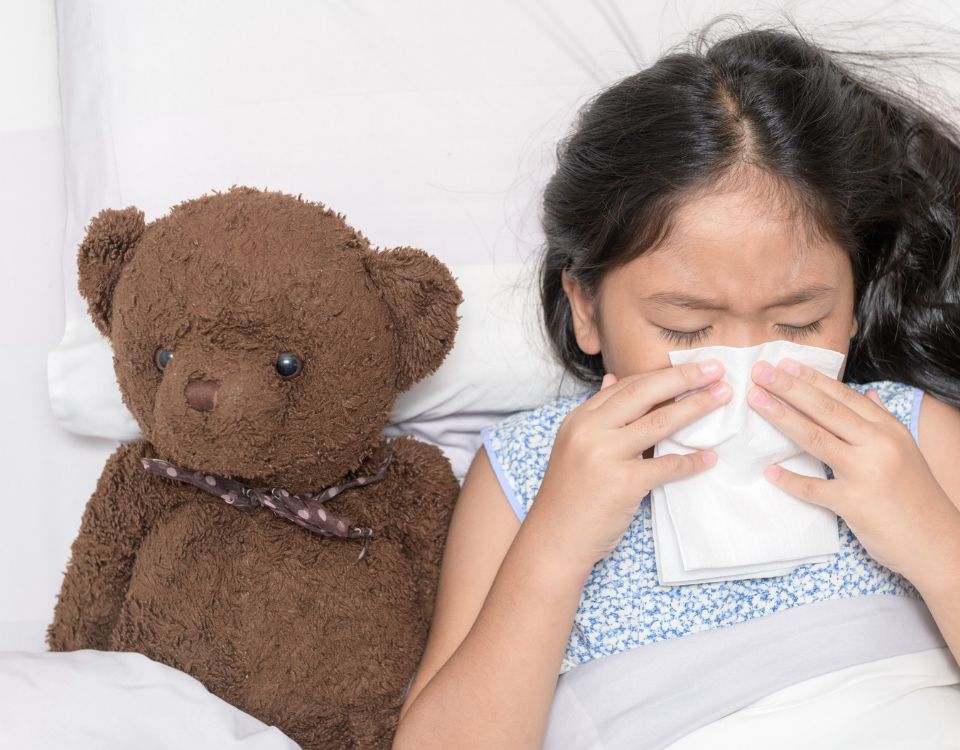
A runny nose that seems to never go away is a common concern for parents. One week your child has the sniffles, they finally seem to improve—and then a few days later, the runny nose is back.
In many children, especially those who attend school or child care, frequent runny noses are related to repeated viral infections. But allergies and environmental triggers can cause similar symptoms, and sometimes persistent nasal symptoms deserve a closer look.
The important question isn’t simply, “How do I stop the runny nose?” It is understanding what may be causing it and whether other symptoms are present.
Why does my child seem to have a runny nose all the time?
Children tend to get more colds than adults. Young children, particularly those in child care or school, may experience several colds during a year. Because symptoms can last for days and one infection may occur soon after another, it can sometimes feel as though your child’s nose never stops running. HealthyChildren.org
A runny nose can have several possible causes, including:
- Viral infections such as the common cold
- Environmental or seasonal allergies
- Irritants such as smoke, pollution or strong odors
- Changes in environmental conditions
- Other causes of ongoing nasal congestion that may need to be evaluated by your child’s pediatric provider
The pattern of symptoms often provides important clues.
Could it just be another cold?
Yes. Colds are caused by respiratory viruses and commonly cause a runny or stuffy nose, cough, sneezing and sore throat. Some children may also develop a fever or feel more tired than usual. CDC
A child may recover from one viral infection and then catch another, particularly when regularly exposed to other children.
This can make separate illnesses appear to be one long-lasting cold.
Could my child’s runny nose be allergies?
Possibly. Nasal allergies can cause symptoms that look very similar to a cold.
Some clues that may point toward allergies include:
- Frequent sneezing
- Clear or watery nasal drainage
- Itchy nose
- Red, itchy or watery eyes
- Symptoms that persist for several weeks
- Symptoms that appear around particular seasons or environmental exposures
Unlike viral illnesses, environmental allergies generally don’t cause fever. Common triggers include pollen, mold, dust mites and animal allergens. HealthyChildren.org
Because symptoms overlap, however, parents don’t always need to determine the cause on their own. A pediatric evaluation can help when symptoms are persistent, recurrent or affecting a child’s daily activities.
Does green mucus mean my child has an infection?
This is an important misconception.
Yellow or green mucus does not automatically mean that your child has a bacterial infection or needs antibiotics.
Nasal mucus commonly changes from clear to yellow or green during the course of a viral cold. Antibiotics do not treat the viruses that cause common colds. CDC
Color is only one piece of the picture. Pediatric providers consider the duration and pattern of symptoms, fever and other findings when determining whether something other than a routine viral illness may be occurring.
For example, cold symptoms that continue for more than 10 days without improvement can be one of the patterns considered when evaluating a child for bacterial sinusitis. HealthyChildren.org
What can parents do at home?
For an uncomplicated runny nose, supportive care can often help keep your child comfortable while the underlying illness improves.
Depending on your child’s age and symptoms, this may include keeping your child well hydrated, gently clearing nasal mucus and using saline nose drops or spray to help loosen dried or sticky mucus. For babies and younger children who cannot blow their noses, gentle suction may sometimes help clear nasal passages. HealthyChildren.org
Try to reduce exposure to cigarette smoke and other known irritants as well.
Before giving your child an over-the-counter cold or allergy medication, talk with your pediatric provider about what is appropriate for your child’s age, medical history and symptoms.
When should I call my child’s pediatric provider?
Consider contacting your child’s pediatric provider when nasal symptoms are persistent, worsening rather than improving, repeatedly interfering with sleep or normal activities, or accompanied by other concerning symptoms.
Seek prompt medical attention if your child develops difficulty or unusually fast breathing, bluish lips or face, signs of significant dehydration, unusual difficulty waking or interacting, or other severe symptoms. For babies younger than 12 weeks, a temperature of 100.4°F (38°C) or higher requires prompt medical attention. CDC
If you’re simply unsure whether you’re seeing another cold, allergies or something else, that’s also a reasonable reason to talk with your child’s pediatric provider.
The Bottom Line for Parents
A child who frequently has a runny nose isn’t necessarily experiencing one illness that never goes away. Children can have repeated viral infections, while allergies and environmental triggers can create similar or longer-lasting symptoms.
Rather than focusing only on the color of the mucus, pay attention to the overall pattern: how long symptoms have lasted, whether they’re improving, whether fever or breathing problems are present, and how your child is feeling and behaving.
At SuraMed Health Center, our pediatric team can evaluate persistent or recurring nasal symptoms and help families determine the appropriate next steps for their child.
Schedule a Pediatric Evaluation
If your child’s runny nose keeps returning or you’re concerned about persistent symptoms, schedule an evaluation with a SuraMed pediatric provider.
Five convenient locations: Palm Springs, Greenacres, Wellington, Boca Raton and Port St. Lucie.
Hablamos Español.
Request an appointment at SuraMed Health Center
This article is for general educational purposes and is not a substitute for individualized medical advice, diagnosis or treatment. Contact your child’s healthcare provider with questions about your child’s specific symptoms or medical needs.