GHK-Cu therapy works by stimulating collagen, elastin, and hyaluronic acid production, and by activating hair follicles for improved growth, thickness, and strength
Keep a healthy body weight
Fatigue and mild flu-like symptoms can occur, particularly early in treatment

Common midlife changes that may contribute to peroxisomal stress: - Hormonal shifts that impair bile flow and fat breakdown - Sluggish liver detoxification and rising toxin load - Chronic inflammation and oxidative stress - Inadequate intake of key nutrients (like carnitine, choline, and omega-3s) Signs that your peroxisomes may need support: - Weight gain (especially around the middle) - Histamine sensitivity or chemical reactivity - Water retention and sluggish lymphatic flow - Brain fog, low motivation, or mood swings - Dry, itchy skin or hormonal breakouts - A general sense of heaviness or sluggish detox How to Support Peroxisomal Function Naturally Nutritional Support - Omega-3s (Fish oil): reduce inflammation and support membrane fluidity - Acetyl L Carnitine: transports fatty acids into peroxisomes for energy conversion - Phosphatidylcholine: promotes bile flow and healthy cell membranes - Sulphur-rich foods: garlic, onions, broccoli, and cabbage to activate detox pathways - Antioxidants: Vitamin C, Vitamin E, Selenium, and NAC to combat oxidative stress Herbal and Botanical Allies - Milk thistle, Globe artichoke, Greater Celandine and Dandelion root: promote bile flow and liver detox - Turmeric: reduces inflammation and protects liver cells Lifestyle Tools That Help - G-Force Hypervibe or rebounding to stimulate lymphatic circulation - Infrared sauna or HOCATT sessions for detoxification through sweat and oxygenation - Dry brushing and hydration to support skin and kidney elimination - A fibre-rich diet to help bind and eliminate toxins from the bowel - Reduce toxic exposure by choosing low-tox personal care and cleaning products Final Thoughts: Small but Mighty Allies Your peroxisomes might be microscopic, but their role in midlife health is massive

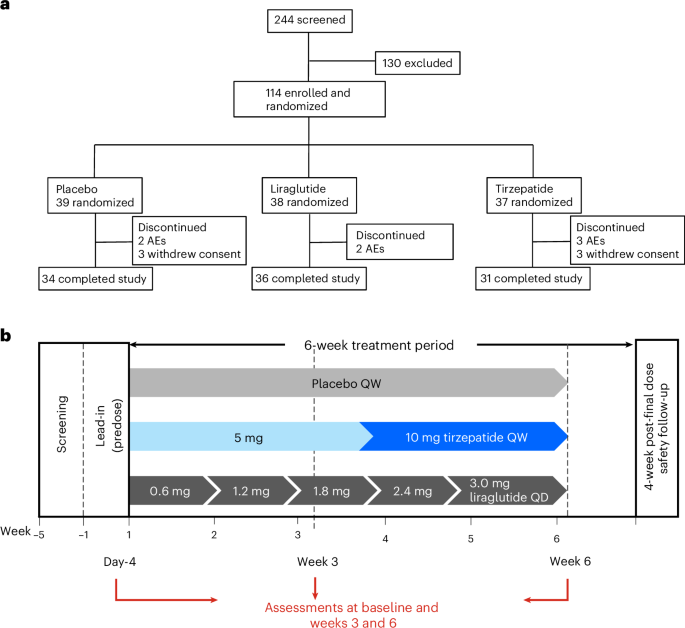
The gradual dose escalation mirrors early clinical trials, where participants tolerated lower doses initially before progressing to the highest doses